Frozen Mid-Trade: A Field Guide to Surviving the Exchange Outage You Didn't See Coming
Photo: server room outage warning lights dark data center, via as1.ftcdn.net
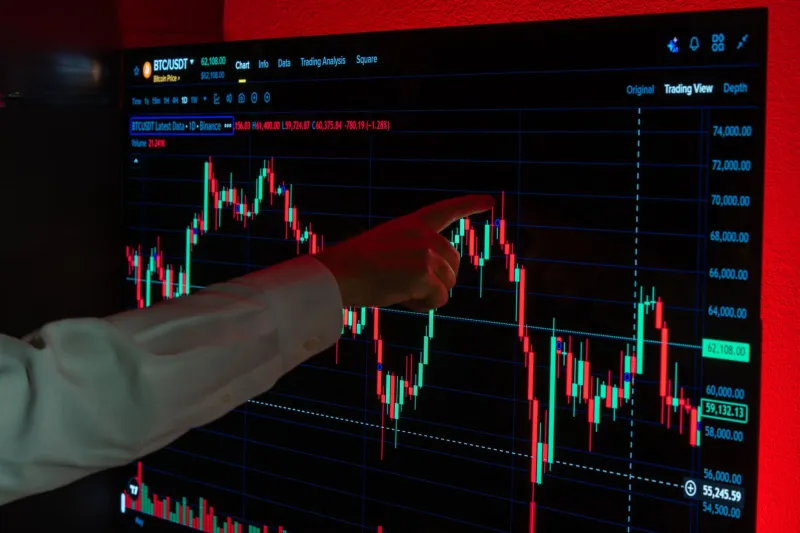
The pattern is almost poetic in its cruelty. Bitcoin moves 15% in an hour. Traders rush to act. And somewhere between the panic and the order book, the exchange's status page changes to a cheerful amber icon: "We are aware of an issue affecting some users."
For US crypto investors, platform failures are not hypothetical. They are a recurring feature of the market's most important moments. Understanding what actually happens during an outage — and preparing for it in advance — separates investors who navigate disruptions from those who become their casualties.
Anatomy of a Collapse
Most outages follow a predictable sequence. It begins with a volatility spike that multiplies order volume tenfold or more. The matching engine, built for average Tuesday traffic, chokes. Orders hang in "pending" purgatory. Prices on the platform diverge wildly from other venues — a phenomenon traders call basis blowout — while withdrawals are quietly or loudly disabled.
Then comes the second phase: the support black hole. Tickets submitted at 2 a.m. during a flash crash may sit unanswered for days. Automated responses promise "elevated volumes." Meanwhile, the user's funds are neither accessible nor earning anything — they are simply trapped in someone else's infrastructure.
The third phase is the most corrosive: information asymmetry. The exchange knows the state of its systems; users know only rumors. During past industry failures, this gap — not the technical glitch itself — is what converted a temporary outage into a full-blown confidence crisis and, in the worst cases, a run on the platform.
Why Outages Cluster at the Worst Moments
This is not bad luck. Exchange infrastructure is a cost center, and capacity is provisioned for normal conditions. Extreme volatility is, by definition, abnormal — so the systems fail exactly when demand peaks. Additionally, during sharp moves, withdrawal freezes are sometimes framed as "maintenance" or "security reviews," when they may in fact be liquidity management. US users should treat unexplained withdrawal suspensions lasting more than a few hours as a serious signal, not a nuisance.
The Documentation Checklist: Do This Before Trouble Starts
When a platform fails, the investors who recover losses are the ones with records. Build this file today, while everything is calm:
- Account snapshots. Monthly screenshots or CSV exports of balances, open orders, and transaction history. Store them outside the exchange.
- Timestamped records of any incident. If withdrawals fail, capture screenshots with visible timestamps, error messages, and the exchange's status page. This evidence matters for tax loss documentation and any future claim.
- All support correspondence. Ticket numbers, emails, chat transcripts. Note dates and the names of any agents.
- Terms of service and fee schedules. Download PDFs. These documents have a way of changing after disputes arise.
Which Complaints Actually Work
Not all grievances are equal in the eyes of regulators. In practice:
- State money transmitter regulators respond to complaints about frozen or inaccessible funds. Every US state licenses money transmission, and exchanges take these licenses seriously.
- The CFTC handles fraud and market manipulation concerns on derivatives platforms.
- The SEC is relevant where unregistered securities are suspected.
- The FTC and state attorneys general handle deceptive-practices claims, such as misleading promotions.
- Consumer complaint databases like the CFPB's, while not crypto-specific, create a paper trail.
Complaints citing specific facts — dates, amounts, screenshots — receive attention. Venting does not.
Building Redundancy Before the Next Failure
The durable lesson is architectural, not emotional. Sophisticated investors assume any single platform will fail at the worst possible time and design accordingly:
- Split custody across venues. No exchange should hold more than you can afford to have frozen for a week.
- Self-custody the core. Hardware wallets holding the majority of long-term holdings mean an exchange outage is an inconvenience, not an existential event.
- Maintain a second venue. An account on an alternative exchange, already verified and funded, lets you act when your primary platform cannot.
- Know your off-ramps. Understand bank transfer timelines and stablecoin redemption paths in advance.
The Uncomfortable Conclusion
An exchange outage is a stress test you did not choose. But it reveals the truth about your setup: whether your access to your own wealth depends on someone else's uptime guarantee. The investors who emerge from platform failures whole are rarely the luckiest. They are the ones who documented everything, diversified their infrastructure, and never mistook a login screen for ownership.